


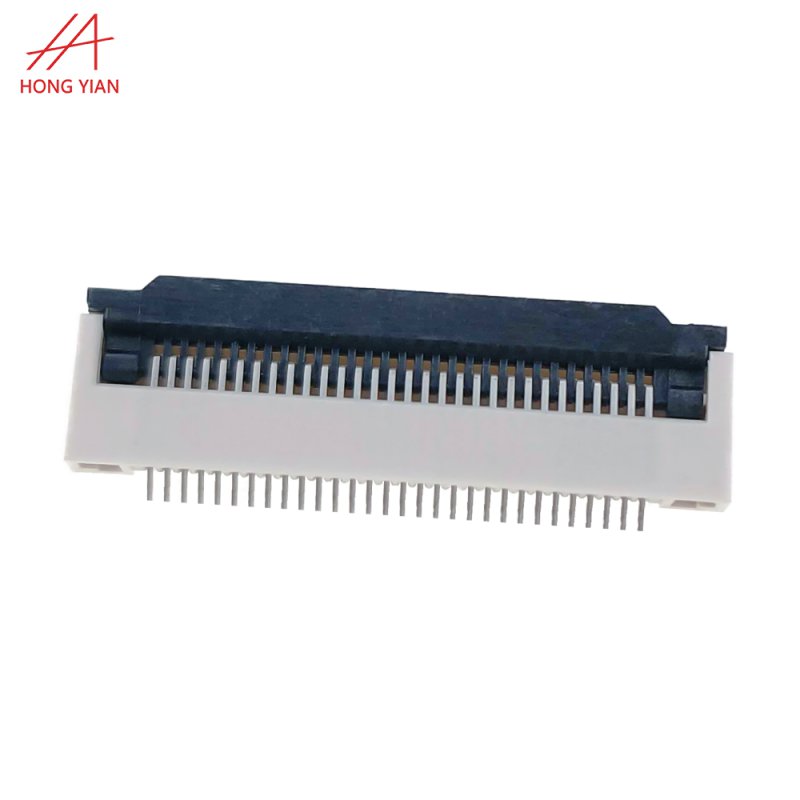

Tape and reel versus tube on an SMT FPC socket
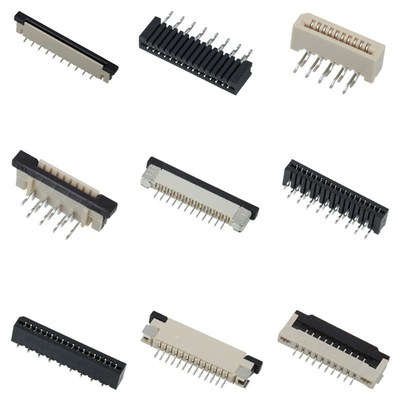
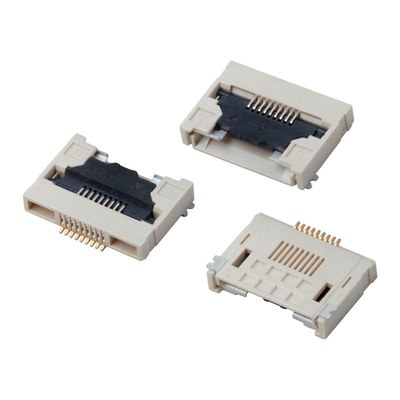
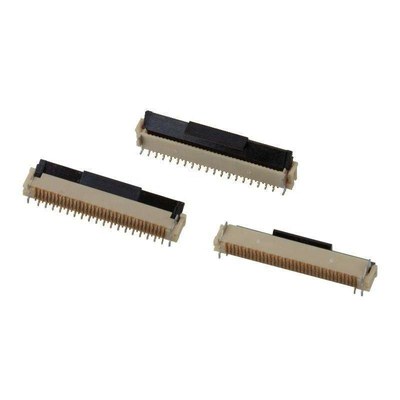
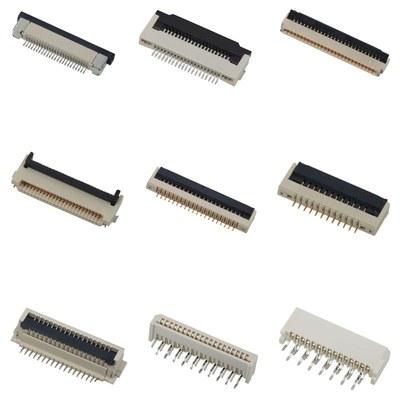
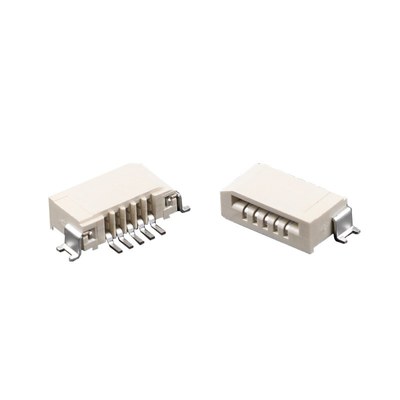
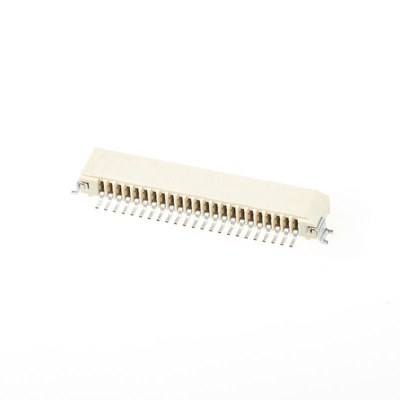
Two parts in this range share the same 1.0 mm double contact outline, and the difference that matters on a production floor is how they arrive. Tape and reel feeds a placement machine without an operator breaking a tube every few minutes; tube packaging keeps the parts protected for a low volume run. Both hold the same four to sixty four contact layout, so the footprint does not change when you move from prototype reels to production ones.
Where the extra contact sits
With double contact construction the terminals sit on both faces of the flexible tail, sharing the load instead of pressing from one side. That helps when the assembly sees vibration, because neither row has to carry the whole normal force alone. It also means the tail has to be clean on both sides, and a finger mark on the back row can raise resistance above the 20 mΩ max just as easily as one on the front.
A reflow profile for a thermoplastic body
The housing is moulded from high temperature thermoplastic, so it will go through a lead free reflow profile without the contact cavity distorting. The thing to watch is the second pass, when the board already has a heavy copper area nearby. The sheet shows 500 MΩ min insulation at 50 V AC typical, plus 250 V AC typical withstand. If your profile runs hotter, send it over and we will confirm the body can take it before you commit to a reel.
 008613534059456
 whatsapp:joy
 overseas@hongyian.cn
