


Ejector Header Connector Guide: Latched IDC Headers for Reliable Board Connections
Time:2026-11-09
Views:3
A box header keeps a ribbon cable centred; an ejector header goes one step further and grabs it. Those little levers on either end aren’t decoration — they lock the IDC socket in place and, when you squeeze them, lever it back out without tugging on the wires. In a machine that vibrates all day, that latch is the difference between a solid link and a field-service call.
What the ejector actually does
The ejector levers latch onto the mating IDC socket’s ears, holding it positively against shock and vibration. To unplug, you pinch the levers and the connector lifts straight out — no yanking the ribbon, no bent pins. That’s why industrial PLCs, drives and test fixtures almost always specify a latched header over a plain one.
Pitch and configuration
We build ejector headers at 2.54 mm and 2.0 mm, straight and right-angle, from 16 to 50 pins and more. The 2.54 mm family is the classic IDC workhorse; the 2.0 mm family packs the same latching reliability into a tighter footprint for denser boards.
Mating matters: an ejector header pairs with a matching latched IDC socket and a flat ribbon cable. Mixing a latched header with an unlatched socket defeats the whole point — the latch has nothing to grab.
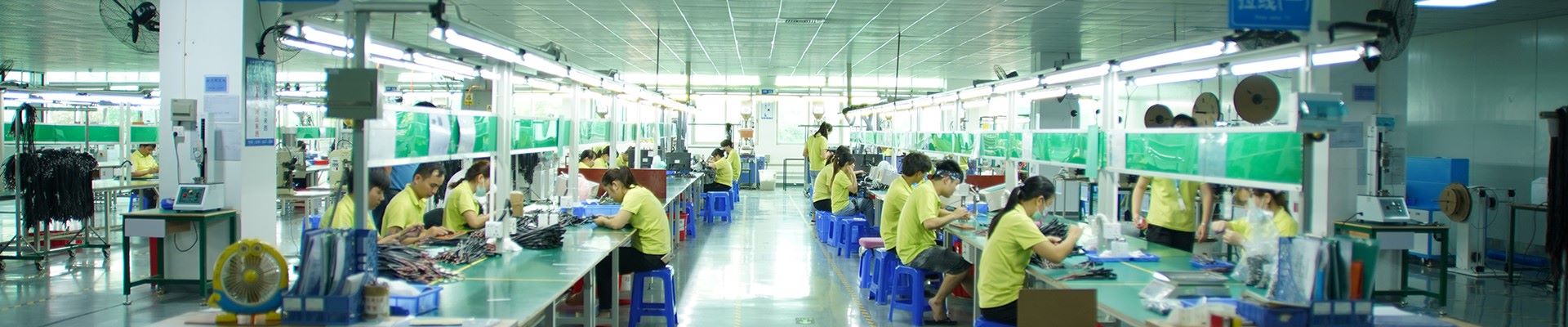
If your panel is exposed to vibration, heat or just years of plug-unplug cycles, specify the latch. We manufacture these in our Shenzhen factory, with the pin count, colour and plating your build calls for — without the premium a branded industrial line attaches to a part this simple.
Frequently Asked Questions
What is an ejector header?
A box header with latching levers that lock onto the mating IDC socket and let you eject it without pulling on the ribbon cable.
Why choose a latched header over a plain box header?
The latch holds the connection against vibration and lets you unplug safely — essential in industrial equipment that moves or shakes.
What pitches do you offer?
2.54 mm and 2.0 mm, straight and right-angle, typically from 16 to 50 pins.
 008613534059456
 whatsapp:joy
 overseas@hongyian.cn
