





Why 7/8 inch still shows up in factory power
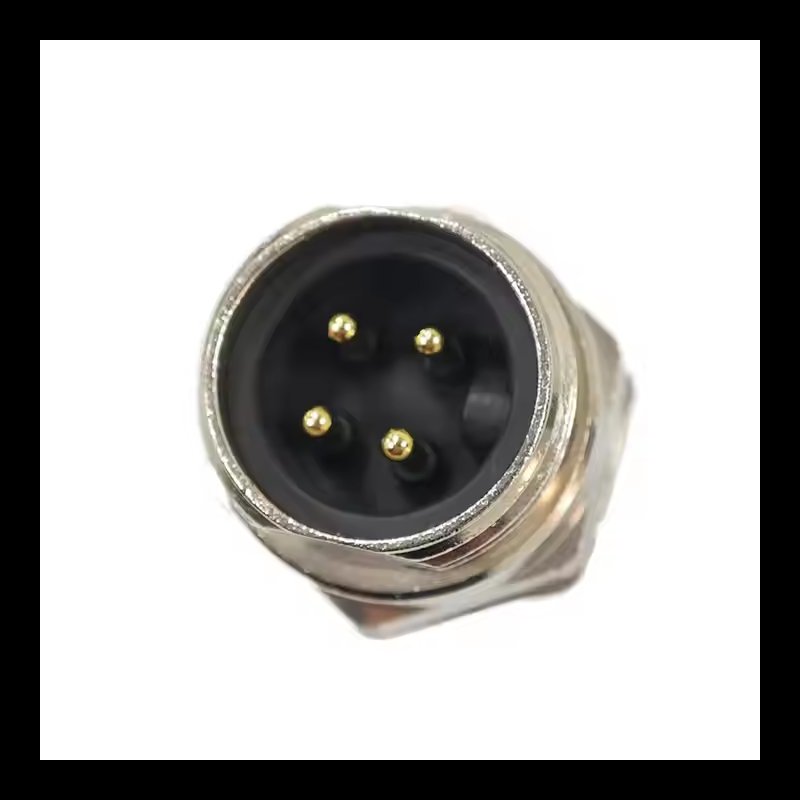
The 7/8 inch format is one of the oldest industrial connector families, and it survives because factories are full of panels, motors and junction boxes already drilled for it. This IP68 plug carries 10 A typical at 250 V AC typical through a brass body with triple sealing, which is the reason it still handles power drops on conveyors, mixers and machine tools. When a plant standard or an old panel decides the interface, the 7/8 inch part is often the only honest answer. Brass takes repeated field mating better than a stamped shell.
Triple sealing on a brass body
Triple sealing means the joint has staged barriers: a face seal at the mating plane, a wire entry seal and a compression ring behind the backnut, so water has to beat all three to reach the contacts. Insulation resistance is 100 MΩ min and withstand voltage 1500 V AC typical, with an operating window of -40 °C to +105 °C. The IP68 figure covers immersion under conditions the maker states, so confirm the depth for any joint that sits below a flood line. Our wire-to-board checklist covers the strain relief that keeps cable weight off the entry seal.
Power and signal in a 7/8 inch drop
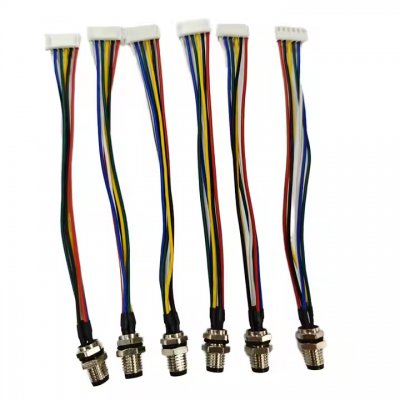
At 10 A typical per contact this format can carry a motor feed and a couple of control lines in one shell, which saves a second cutout on a crowded panel. Brand name 7/8 inch parts are rarely the issue; lead time and minimum order are, and factory direct runs skip that problem. We quote this body from short runs upward with cable tails open, and standard builds leave in eight working days against the 6 to 12 weeks a franchised channel often quotes. Our cable assembly line builds the drop with the gland fitted.


 008613534059456
 whatsapp:joy
 overseas@hongyian.cn
