


D-Sub vs SCSI Connector: What‘s the Difference?
Time:2026-06-24
Views:37
Straight answer: a D-Sub is that classic D-shaped shell you see on old serial ports and VGA — DB9, DB15, DB25. A SCSI connector is a higher-density thing built for a parallel data bus. The reason people mix them up is that early SCSI-1 reused the 25-pin DB25, so for a while the two genuinely looked identical. Once you look at pin density and shielding, they stop being confusing.
The D-Sub, short for D-subminiature, gets its name from the D-shaped metal shell that makes orientation impossible to get wrong. The usual suspects are DB9 (serial RS-232), DB15 (VGA and old game ports), and DB25 (parallel and SCSI-1). They‘re rugged, cheap, and everywhere in industrial gear, test equipment and legacy computer ports. Typical specs: 9, 15 or 25 positions, crimp or solder terminations, a steel shell with tin or nickel plating, optional board locks and grounding dimples. We carry standard and high-density D-Sub in all three sizes.
The SCSI side. SCSI — Small Computer System Interface — carries a parallel bus. SCSI-1 originally used the 25-pin DB25, and that single choice is the entire source of the confusion. Later standards moved up: the 50-pin Centronics-style, the 68-pin high-density HD68, and the 80-pin SCA for hot-swap drives. Because a parallel SCSI bus is pushing a lot of signals at once, these connectors need tighter impedance control, more shielding and more reliable latching than a basic D-Sub.
The actual differences, side by side. D-Sub runs 9, 15 or 25 pins, does serial, VGA and industrial I/O, and gets by with a basic metal shell and thumbscrews. SCSI runs 25 (SCSI-1), 50, 68 or 80 pins, does a parallel storage bus, and needs heavier, impedance-controlled shielding with clips or jackscrews. Rule of thumb: if it‘s carrying a parallel storage bus with 50-plus pins, it‘s SCSI. If it‘s a 9, 15 or 25-pin part doing serial or video, it‘s D-Sub. And if you‘re replacing a DB25, double-check what the cable actually carries before you order anything — a parallel-printer DB25 and a SCSI-1 DB25 look identical but are not the same thing.
When you place an order, send us the exact part number or model, or a drawing if you have one — we‘ll verify the spec and check stock against it. The good news is most D-Sub and SCSI parts are standard items, so there‘s relatively little customisation required; when there is any, it‘s usually the cable type and length rather than the connector itself. Branded D-Sub and SCSI from the big names carry premium prices and long lead times; our factory-direct stock usually ships the same week.
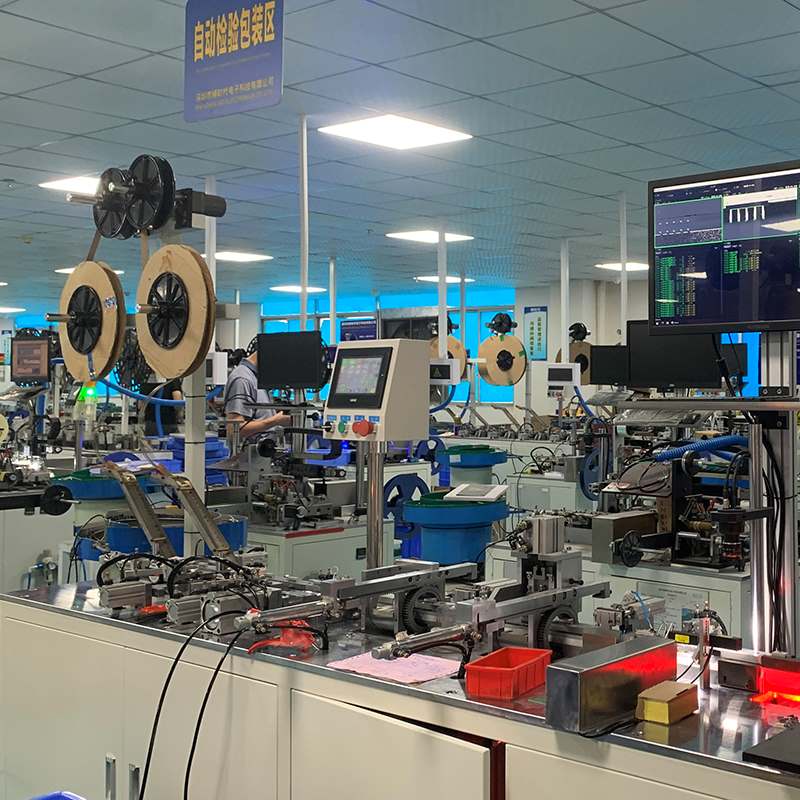
The photograph below shows a corner of our production workshop, where the D-Sub and SCSI lines are assembled and tested before shipping.
If you‘re interested, please contact us right away.
Frequently Asked Questions
Why do people confuse D-Sub and SCSI?
Because early SCSI-1 reused the 25-pin DB25 shell, so for a while they looked identical. The difference is pin density and shielding - later SCSI moved to 50, 68 and 80-pin high-density connectors.
Can I use a DB25 cable for a SCSI-1 device?
Only if it is genuinely SCSI-1 and the cable is shielded correctly. A plain parallel-printer DB25 cable often is not, and impedance problems can corrupt the bus.
Do you make high-density D-Sub and SCSI connectors?
Yes, both families in 9 to 80 pins, with custom board locks and shielding. Send the part number you are replacing.
 008613534059456
 whatsapp:joy
 overseas@hongyian.cn
