


Round Pin Header Explained: Machined Pins vs Stamped, and When to Choose
Time:2025-09-06
Views:7
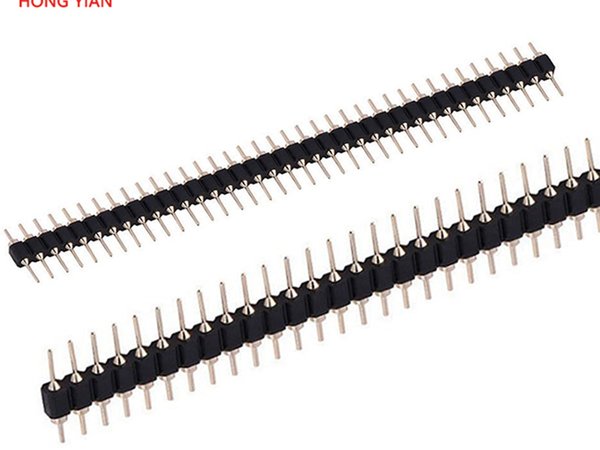
A pin header isn’t always just a stamped strip of brass. When an engineer says “round pin” or “machined pin,” they mean something specific: a turned, precision contact that plugs into a matching round female socket with a positive, repeatable feel. It’s the difference between a connector you assemble and a connector you trust.
Machined vs stamped: two ways to make a pin
Stamped pins are punched flat from sheet. Cheap, fast, and fine for mass production where the pin goes in once and stays. Machined (turned) pins are cut and formed on a lathe into a solid round profile. They cost a little more and earn it back in mating cycles, contact resistance and a snug, consistent fit.
When to reach for a machined pin
You’ll reach for round pin headers in IC sockets, DIP programming headers, test points and daughterboard stacks. Anywhere the connection is made and broken repeatedly, or where a stamped pin would wobble. They also survive vibration better, which matters in industrial and automotive boards.
Pitch and configuration
We stock round pin headers at 2.54 mm and 1.27 mm, single and dual row, straight and right-angle, with gold or tin plating and a range of insulator heights. The female side matters just as much. A machined-pin male needs a matching round-female socket for the tight fit to actually happen.
Plating matters here more than people expect. Gold flash gives you the low contact resistance and corrosion resistance for a programming header you’ll cycle hundreds of times. Tin is the economical choice for a board that mates once.
If your assembly calls for a reliability-grade connection, this is the header to specify. We make them in our Shenzhen factory, with the plating and pin length your drawing needs. No need to buy a distributor’s overpriced bag when a factory-direct run does the same job.
Frequently Asked Questions
What is a machined pin header?
A header whose pins are turned on a lathe into solid round contacts, rather than stamped flat from sheet. That gives a more reliable, repeatable connection.
When should I choose machined over stamped?
When the connection is mated repeatedly (IC sockets, programming headers), or must survive vibration. Machined pins offer better mating cycles and a snugger fit.
What pitches do you offer?
2.54 mm and 1.27 mm, single and dual row, straight and right-angle, with gold or tin plating.
 008613534059456
 whatsapp:joy
 overseas@hongyian.cn
