


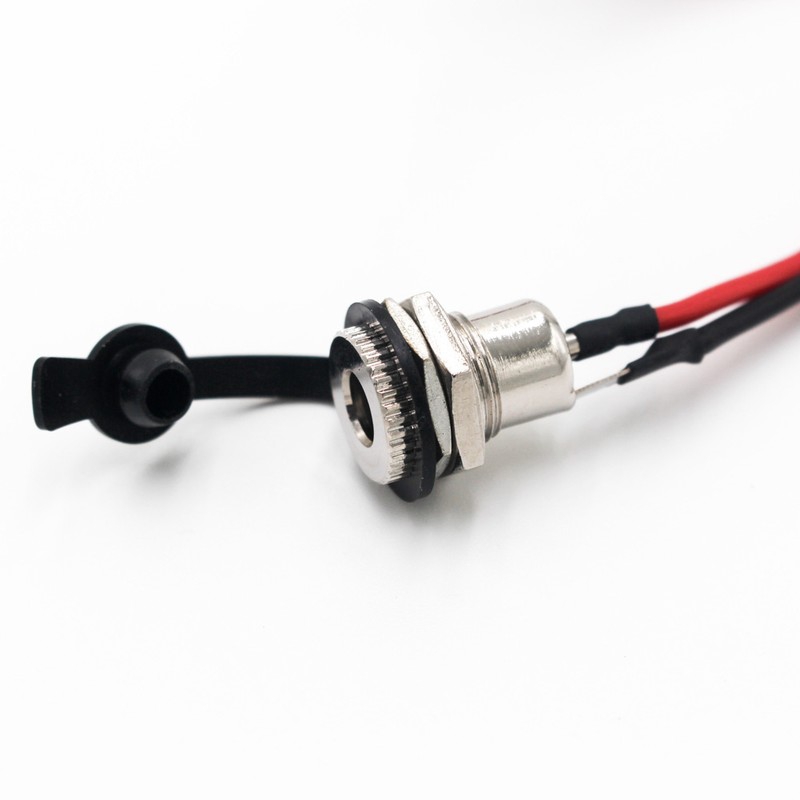


The 2.5 mm pin and the 2.1 mm socket trap
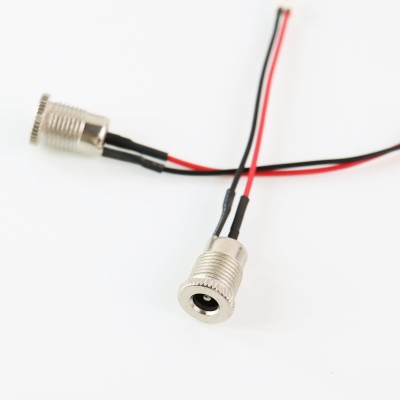
A 5.5 × 2.5 mm jack looks identical to a 5.5 × 2.1 mm jack on a shelf photo, and the 0.4 mm difference at the center pin is the whole compatibility story. A 2.1 mm plug in a 2.5 mm socket wobbles, reads intermittent and eventually burns the barrel, which is why mixed stock is worse than no stock. This waterproof version carries wire leads, 10 A typical at 250 V AC typical with 5 mΩ max contact resistance. Measure the plug in hand before ordering and keep the two sizes separated in stores.
Wire leads and field termination
Pre fitted leads turn a jack into a pigtail you can land inside an enclosure without soldering next to a plastic body. Terminate the leads with the correct ferrule or crimp, keep the strip length short and strain relief the pair so a cable pull lands on the housing, not on the joints. Insulation resistance is 100 MΩ min and withstand voltage 1500 V AC typical. Plug and jack cycles on this class of contact run in the 500 to 1,000 range, so plan the jack as a service part. Our wire-to-board checklist covers the relief steps.
Waterproofing a jack that lives off panel
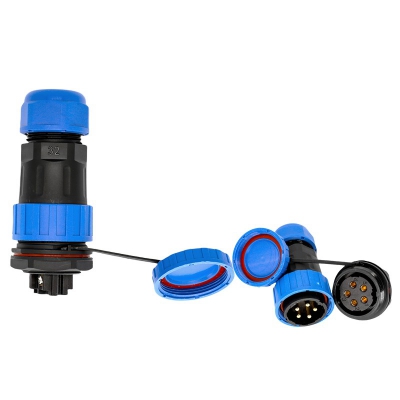
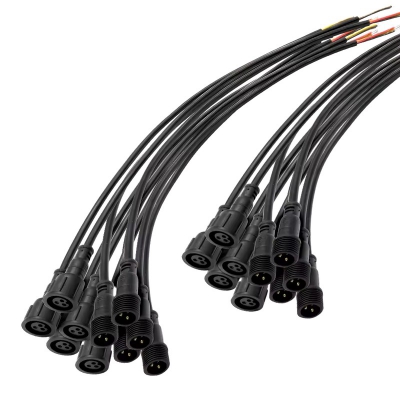
A waterproof barrel jack still needs a dry side to land in, because the sealing protects the contact area while the back of the body needs its own enclosure or boot. Keep the leads routed with a drip loop and never let the cable bend sit right at the exit. Operating range is -40 °C to +105 °C. For builds that need the jack on a cable instead of a panel, our cable assembly line fits it into the lead and tests continuity before shipping.
 008613534059456
 whatsapp:joy
 overseas@hongyian.cn
