



Why the socket half decides how long a DIN joint lasts
In a circular DIN pair the male pins get the attention, but the female socket does the electrical work: each contact is a formed spring that has to wipe the pin, hold normal force and recover after every unmating. This 6 pin socket is rated 10 A typical at 250 V AC typical with 5 mΩ max contact resistance, and the spring geometry behind that figure is what keeps the joint quiet over years of service. A socket that has lost its wipe starts as intermittent noise long before it fails a continuity check.
Mating cycles, contact wipe and when to retire a socket
Spec sheets quote a mating cycle figure, usually in the 500 to 1,000 range for this class of contact, and that number assumes straight insertion without side load. Insulation resistance is 100 MΩ min and withstand voltage 1500 V AC typical, with an operating range of -40 °C to +105 °C. Plan on replacing the socket after the cycle budget is spent on a service panel, because the spring never fully returns to factory force. Our wire-to-board checklist covers the rear strain relief that protects the solder joints behind the panel.
Panel sockets in rack and cabinet quantities
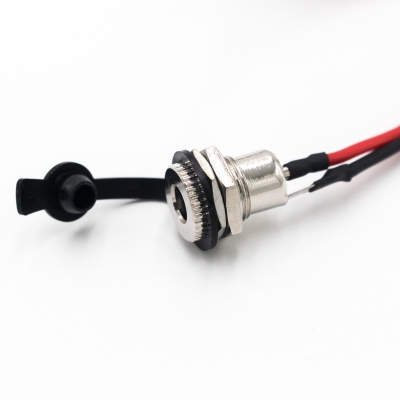
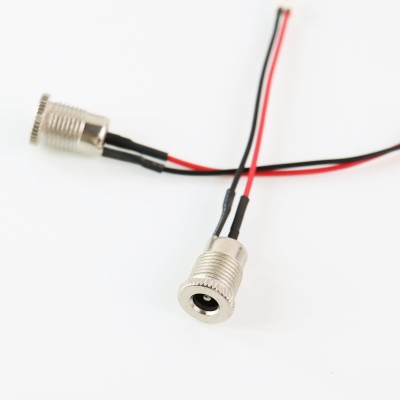
Cabinet builds order sockets in counts that match the cutout sheet, and we quote this 6 pin female from short runs upward with shell finish and contact plating open. Standard builds leave in eight working days. Send the panel drawing or a photo of the existing socket and we will confirm the flange and thread before production. Related cable side plugs and built leads are available through our cable assembly line.
 008613534059456
 whatsapp:joy
 overseas@hongyian.cn
