



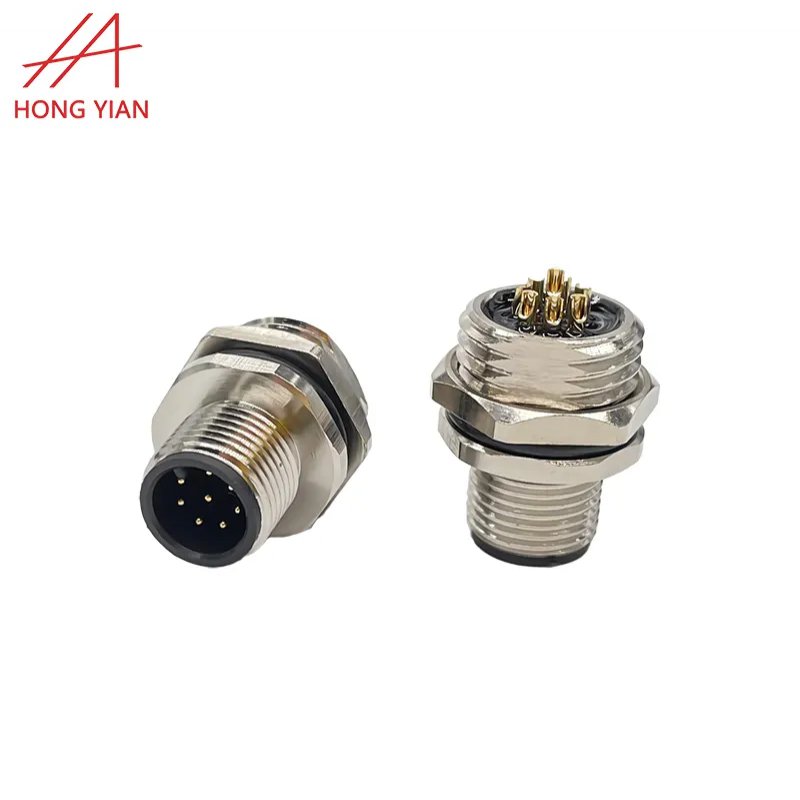


Why quick lock beats threads on a service panel
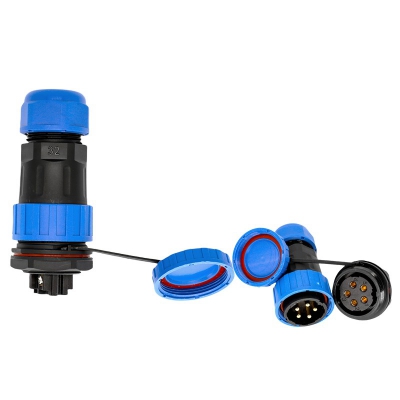
A threaded coupling needs two hands, a clear swing for the collar and a technician who stops at the right torque. A quick lock body replaces that with a push and a partial turn, which is why it shows up on test fixtures, service panels and machines that get reconfigured weekly. This panel mount series spans M5 to M12 at 4 A typical and 250 V AC typical, with 5 mΩ max contact resistance. The trade is that the lock geometry must match on both halves, so the pairs are stocked as sets rather than mixed from bins.
One panel family from M5 to M12
Standardizing on one quick lock family across a machine saves cutout tooling and spare parts inventory, and the M5 to M12 range covers signal drops through small power feeds in the same mounting logic. Insulation resistance is 100 MΩ min and withstand voltage 1500 V AC typical, with an operating range of -40 °C to +105 °C. Draw the cutout sheet once and reuse it across the panel. New cutouts for a variant family can be tooled in about 7 to 10 days if the flange changes. Our wire-to-board checklist covers the rear strain relief across the series.
Panel prep and ordering quick lock sets
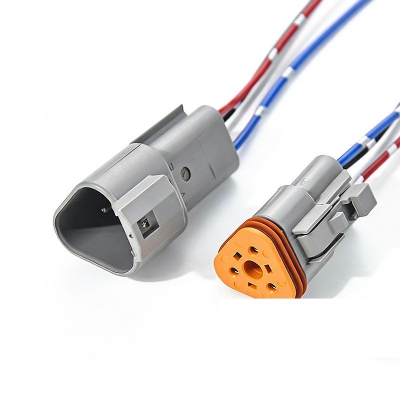
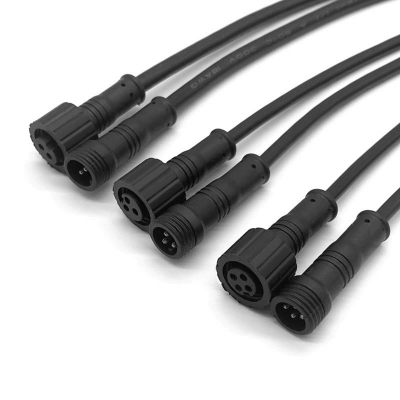
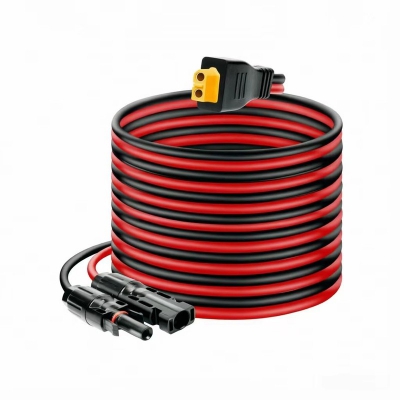
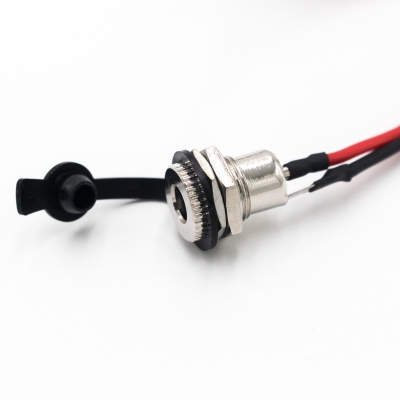
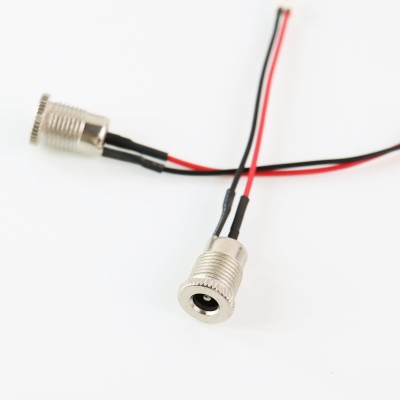
Quick lock bodies are ordered as mating sets with the panel nut and gasket, and the lock must be cycled by hand before the first power up to confirm the detent. We quote the series from short runs upward with pin count and shell options open, and standard builds leave in eight working days. Send the panel thickness and the existing cutout photo and we will confirm the flange. If the drop also needs a finished lead, our cable assembly line fits the matching half to the cable.
 008613534059456
 whatsapp:joy
 overseas@hongyian.cn
